Honey Buddy Font: A Polished Touch for Small Business Branding
There I was, sitting at my kitchen table with a cup of coffee and my laptop open, staring at the latest product label design for my candle-making business. The previous labels were hand-drawn and charming, but they lacked consistency and didn’t reflect the professional growth of the brand. I needed something that felt personal yet refined—something like Honey Buddy.
A Font That Feels Handwritten, But Looks Premium
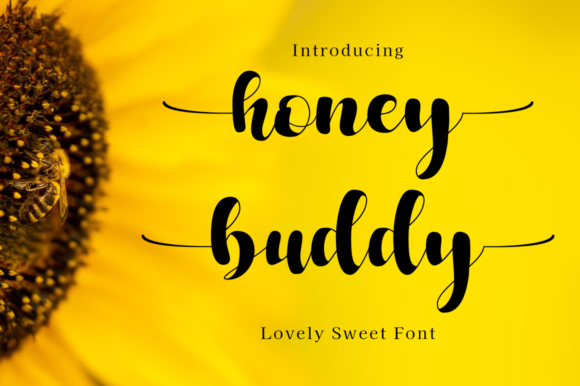
Honey Buddy is a script handwritten font that brings warmth and elegance to any design. It’s not just another cursive typeface—it has a unique personality. The letters flow naturally, with subtle variations in stroke weight and character shape that mimic real handwriting. Yet, because it's PUA encoded, every glyph, swash, and alternate character is accessible with ease, making it incredibly user-friendly even for those who aren’t typography experts.
I’ve used it on everything from packaging mockups to social media posts, and it always adds a touch of sophistication without losing its charm. It’s perfect for businesses that want to feel approachable but also polished.
Real-World Use in Branding Materials
When I updated the candle jar labels using Honey Buddy, the difference was immediate. The previous version had a basic sans serif font that looked generic. With Honey Buddy, the brand voice shifted to something more intentional and memorable. Customers told me the new labels felt “personal” and “luxurious,” which was exactly what I wanted to convey.
This font works especially well for:
- Logo design: Its elegant script gives a sense of authenticity and creativity.
- Product labels: It adds visual interest while keeping information legible.
- Thank-you cards: Nothing says appreciation quite like a beautifully written name or message.
- Social media graphics: It stands out in feeds and helps build a cohesive brand identity across platforms.
- Packaging design: Whether you're printing on boxes, jars, or tags, it enhances the overall aesthetic without being over the top.
From First Impressions to Lasting Recognition
Typography plays a powerful role in how customers perceive your brand. A well-chosen font can set the tone before anyone even reads the words. Honey Buddy has a soft, friendly energy that makes it ideal for brands that value connection and craftsmanship.
For example, when I used it in an Instagram post promoting a new lavender-scented candle, the comments poured in about how beautiful the text looked. People said it made them feel like opening a gift rather than clicking on an ad. That kind of emotional response is invaluable for small businesses looking to stand out in a crowded market.
Where to Use Honey Buddy (And Where Not To)
Honey Buddy shines as a display font. It’s best suited for headlines, short phrases, logos, and decorative accents. Because of its flowing nature and intricate details, it’s not recommended for long blocks of body text or anything where readability is paramount.
Here are some practical tips based on my experience:
- Headlines and titles: It adds flair and draws attention, especially on product packaging and shop banners.
- Short taglines: If your brand message is concise, this font will elevate it instantly.
- Logos and signature elements: The natural variation in strokes makes it look like a custom-designed logo.
- Instagram templates and digital ads: It creates a warm, inviting vibe that aligns well with lifestyle and handmade brands.
- Not ideal for: Running text, fine print, or mobile thumbnails where clarity might be compromised by the font’s delicate features.
Mixing Honey Buddy Into Your Design Workflow
One thing I love about Honey Buddy is how easily it pairs with other fonts. For editorial design or web design, I often combine it with a clean sans serif like Montserrat or a modern serif like Lora. This contrast keeps things visually interesting while maintaining balance and professionalism.
In one recent project for a boutique client, we used Honey Buddy for their product tags and paired it with a minimalist sans serif on pricing and descriptions. The result was a brand identity that felt both artistic and trustworthy. Customers could read the essentials quickly while appreciating the thoughtful touches in the design.
Design Tips for Print and Digital Media
When working with a handwritten font like Honey Buddy, it’s important to consider the medium. On printed materials such as thank-you cards or product labels, make sure the font size is large enough to show off its character without becoming too busy. I usually stick to a minimum of 16pt for smaller prints and 24pt or higher for main titles.
On mobile screens and social media thumbnails, the font still looks great—but it needs spacing and contrast. I recommend using bold weights if available, or adding a subtle shadow or outline to ensure it doesn’t blend into the background. Always test your designs on actual devices to see how they render in different environments.
Before You Start Using Honey Buddy
If you’re considering using Honey Buddy for your branding, here are a few things to check:
- File formats: Confirm it includes OTF and TTF files for maximum compatibility.
- Commercial licensing: Make sure it allows use in customer-facing products and merchandise.
- Alternates and ligatures: These little extras let you customize the look and add variety without effort.
- Multilingual support: If your brand caters to a global audience, this feature ensures your text displays correctly in multiple languages.
Once you’ve confirmed these details, you can start experimenting with it in your designs. I’ve found that having access to multiple weights and alternates really helps when creating layered visuals or emphasizing key brand messages.
Why Typography Matters for Brand Identity
It’s easy to underestimate the impact of a font until you see how much it changes your materials. Honey Buddy helped my candle brand evolve from a DIY side hustle to a professional-looking collection that feels curated and cohesive. Now, when I create stickers, menus, or even email headers, the same font ties everything together, reinforcing the brand’s identity and values.
Consistency is key in building trust with your audience. When your branding assets all share a common visual language—including color, layout, and typography—you become more recognizable. And in today’s fast-paced digital world, being remembered is half the battle.
Final Takeaways
Honey Buddy isn’t just a pretty font—it’s a strategic choice for small businesses aiming to refine their brand image. It brings a human touch to your materials while maintaining a level of polish that suggests quality and intention. Whether you’re designing for a bakery box, a skincare bottle, or a boutique tag, this script handwritten font can help your brand feel more connected and consistent.
So next time you’re refreshing your website banner or updating your product packaging, think about how a creative font like Honey Buddy can transform your look. It’s the kind of detail that turns casual browsers into loyal customers.